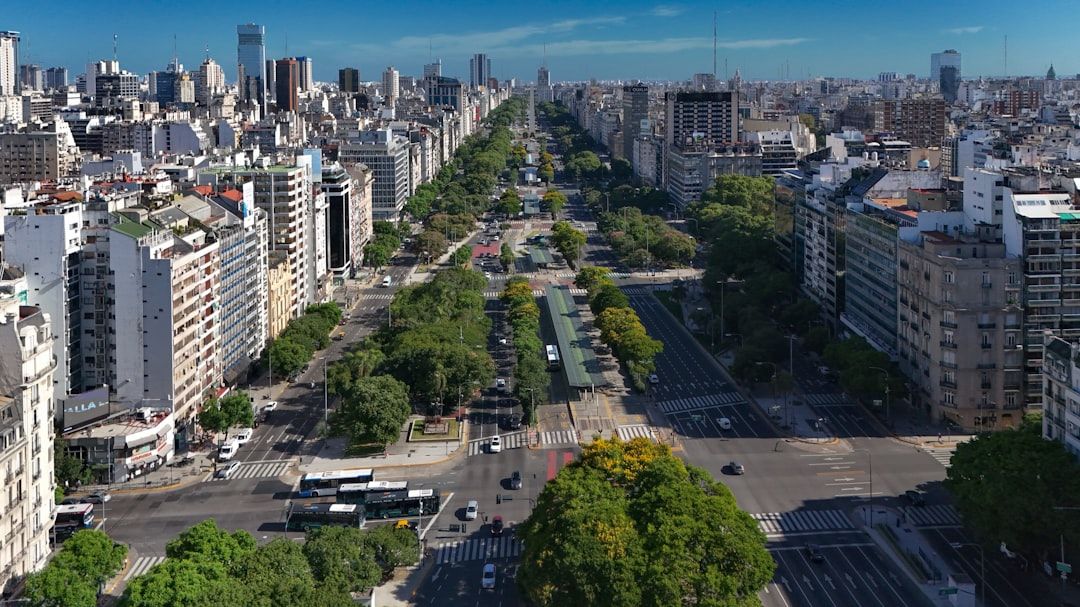
Buenos Aires needs very little organising, with two exceptions: seeing tango properly, and getting into a football match. Both are cases where the obvious approach is the wrong one.
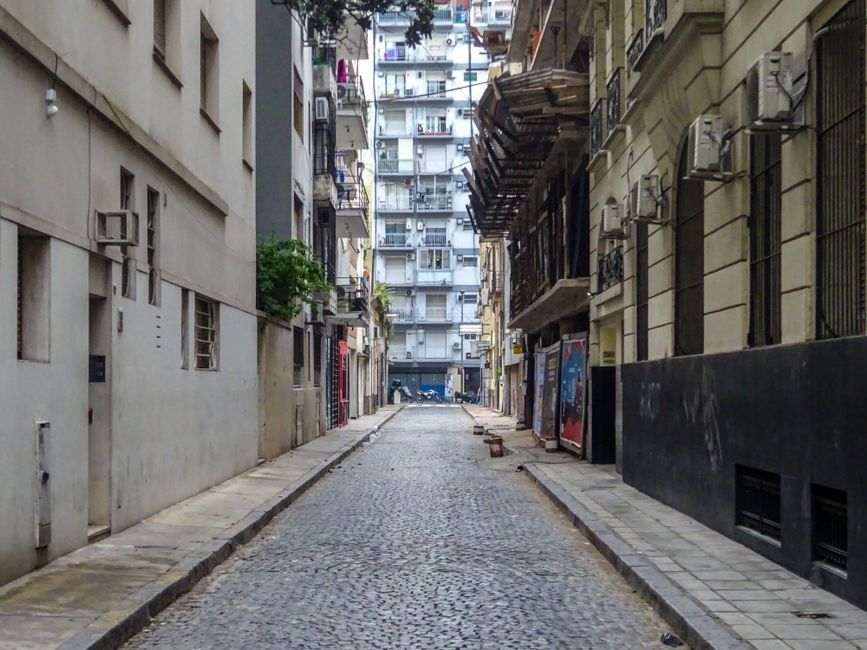
Tango: milonga, not dinner show
The large dinner shows are choreographed performances for visitors — expensive, competent, and not what tango is.
A milonga is a social dance where porteños actually dance. They run most nights in San Telmo, Almagro and across the city, cost a small entry fee, and welcome observers who sit quietly at the edge.
The etiquette is specific and worth knowing before going: the cabeceo, an invitation by eye contact and a nod across the room, and the tanda structure of three or four songs followed by a break. Not knowing it is fine if you are watching rather than dancing.
Many milongas run a beginners' class earlier in the evening, which is the easiest way in.
The free outdoor dancing in Plaza Dorrego in San Telmo on Sundays is the other option and costs nothing.
Football, which needs an agency
Getting into a Boca Juniors or River Plate match independently is genuinely difficult. Club membership systems limit public sales and the resale market is unreliable.
Most visitors go through an agency or a tour operator that includes transport and a guide. It costs considerably more than the face value of a ticket and it is the practical route.
Note that away fans have been banned from most Argentine domestic matches for years following crowd violence, so the atmosphere is single-sided and extremely intense. That is the experience.
What needs no arranging
Recoleta Cemetery, free to enter, a city of mausoleums. A guide adds the family histories and politics; finding Eva Perón's tomb among several thousand others without one is harder than expected.
San Telmo, especially the Sunday market along Defensa, which runs for many blocks.
Palermo — Soho and Hollywood — for restaurants, bars and parks.
Teatro Colón, which runs guided tours of the opera house and is worth it.
El Ateneo Grand Splendid, a bookshop in a converted theatre.
The steak, which requires no guide but does require knowing that jugoso is rare and a punto is medium.
La Boca, specifically
The Caminito street with its painted houses is fine in daylight and is heavily policed.
The surrounding neighbourhood is not a place to wander, and this is consistent local advice rather than nervousness. Go, see the street, and take a taxi or ride-hail both ways rather than walking in from elsewhere.
Practical
Money. Argentina's currency and exchange arrangements have changed repeatedly, and any specific advice ages badly. Check the current position days before travelling, and ask people who arrived recently rather than relying on articles.
Safety generally. Central neighbourhoods are fine with normal urban caution. The realistic risks are phone snatching and distraction theft — keep the phone away on the street.
Eating times are late even by Spanish standards: dinner from 9:30 or 10pm.
Distances. Buenos Aires is large. The Subte metro is cheap and the buses are extensive; walking between neighbourhoods is further than it looks.