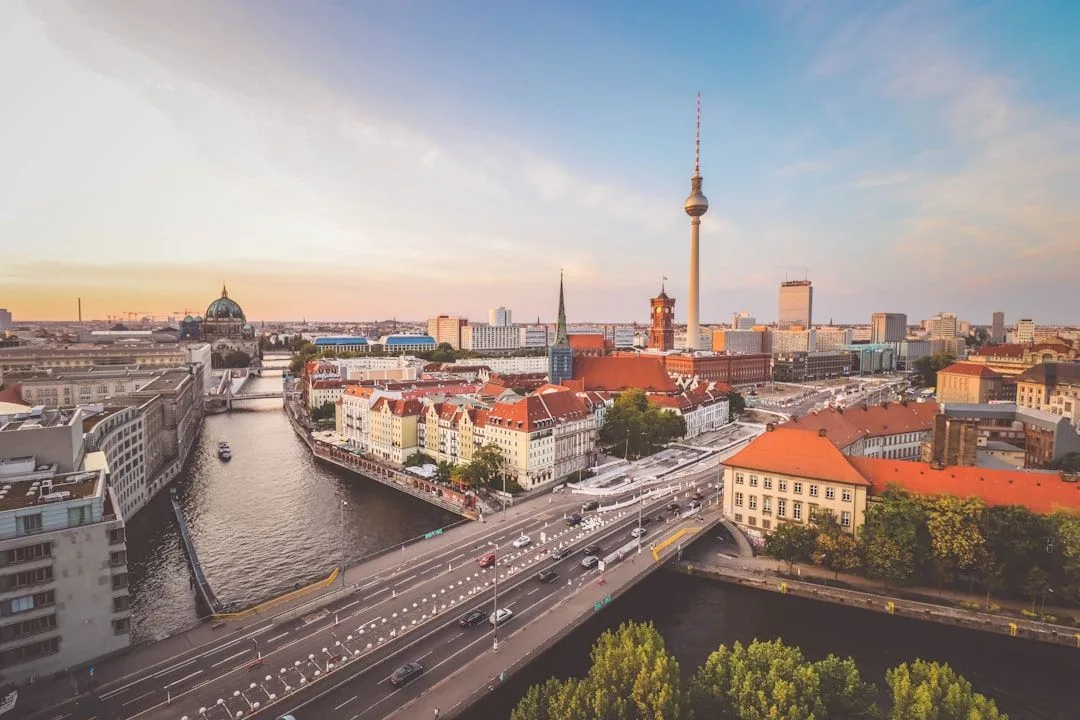
Seoul is straightforward to plan with one exception, and it is the excursion most visitors want: the DMZ requires advance registration and your passport.
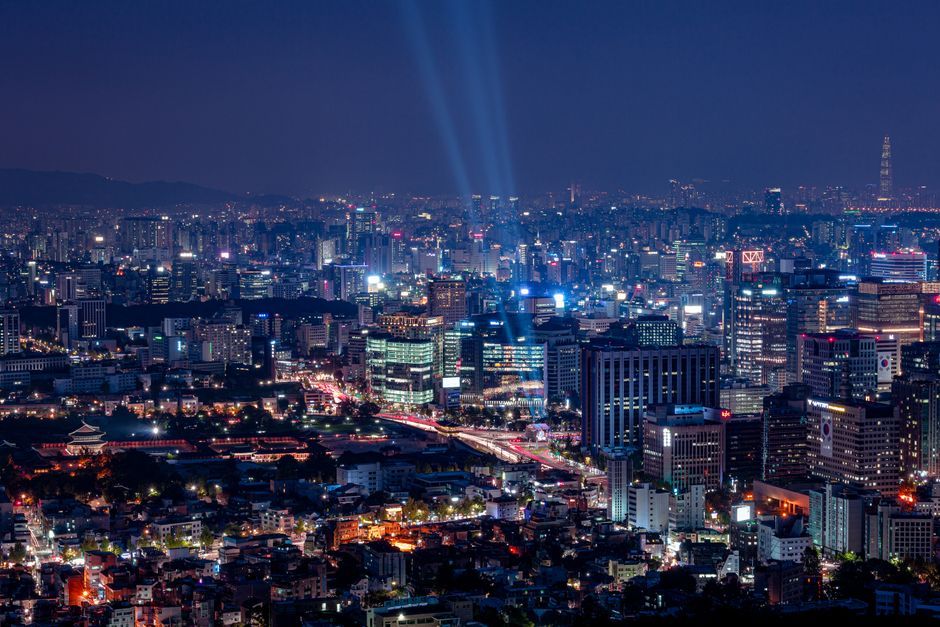
The DMZ
Access is restricted to authorised tours with advance registration. There is no independent version.
Practical requirements:
Passport details submitted in advance — typically several days, and longer for tours including the Joint Security Area at Panmunjom.
Passport carried on the day. No passport, no entry, no refund.
A dress code for JSA tours, and enforced minimum ages.
Cancellation risk. Tours can be called off at short notice for operational or political reasons entirely outside the operator's control. JSA access in particular has been suspended for extended periods. Build flexibility around it rather than making it the last day of your trip.
Standard DMZ tours visit the Third Infiltration Tunnel, the Dora Observatory and Imjingak. JSA tours, when running, go further and cost more.
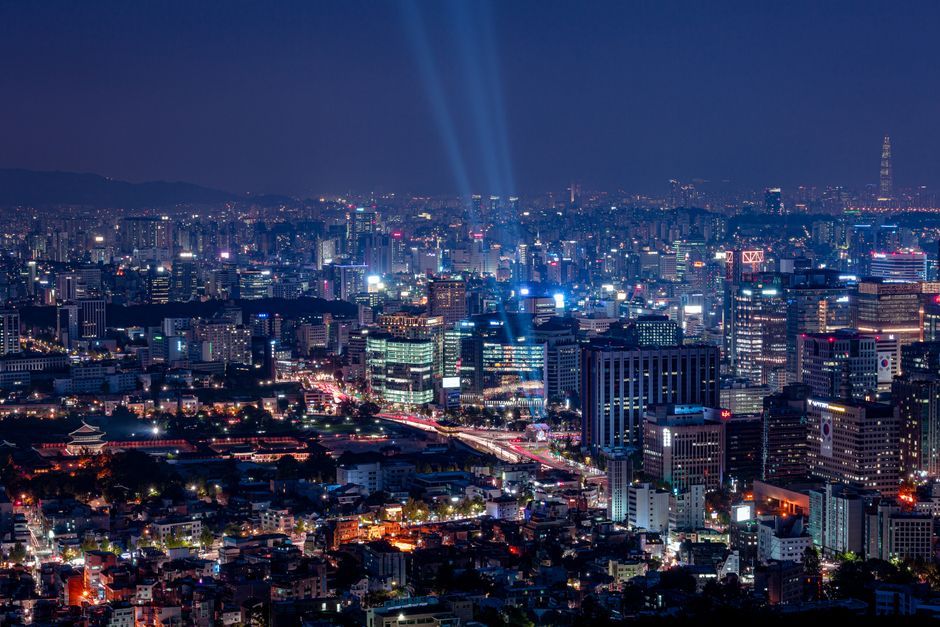
The palaces, and the hanbok trick
Seoul has five royal palaces, and entry to the main ones is free for visitors wearing hanbok, the traditional dress.
Rental shops cluster around Gyeongbokgung and charge a modest hourly rate, which for a group frequently costs less than the combined entry fees. It is also genuinely popular with Korean visitors rather than being a tourist gimmick.
Gyeongbokgung is the largest, with a changing of the guard ceremony. Changdeokgung is the more beautiful, and its Secret Garden requires a separate timed guided tour that is worth booking.
Note that palaces close on different days — Gyeongbokgung on Tuesdays, Changdeokgung on Mondays — which catches people out.
Temple stays
An overnight programme at a working Buddhist temple: meals, meditation, sometimes a pre-dawn service.
Run through an official programme with English-language options, booked online in advance. Available both near Seoul and at mountain temples further out, and it is one of the more distinctive things available in Korea.
What needs no booking
Bukchon Hanok Village, a hillside of traditional houses between two palaces. It is residential — signs ask visitors to keep quiet, and this is worth respecting.
Gwangjang and Namdaemun markets for street food.
Hongdae, Ikseon-dong and Seongsu for the neighbourhood scenes.
Bukhansan National Park, a genuine mountain range inside the city limits reachable by metro, with granite peaks and marked trails. The best free thing in Seoul.
Jjimjilbang — the 24-hour bathhouse and sauna complexes — which cost very little and are a Korean institution.
Practical
Get a T-money card for the metro and buses. Seoul's metro is extensive, cheap and signposted in English.
Korea is largely cashless and cards work almost everywhere, unlike Japan.
Timing: spring for cherry blossom in April and autumn for colour in October and early November are the best months. Summer is hot, humid and includes a monsoon; winter is genuinely cold.