Israel is small — Tel Aviv to Jerusalem is 35 minutes by fast train — and the thing that shapes an itinerary is not distance but the weekly rhythm.
Shabbat
From Friday afternoon until Saturday evening, public transport stops. Trains and most buses do not run. Many businesses close.
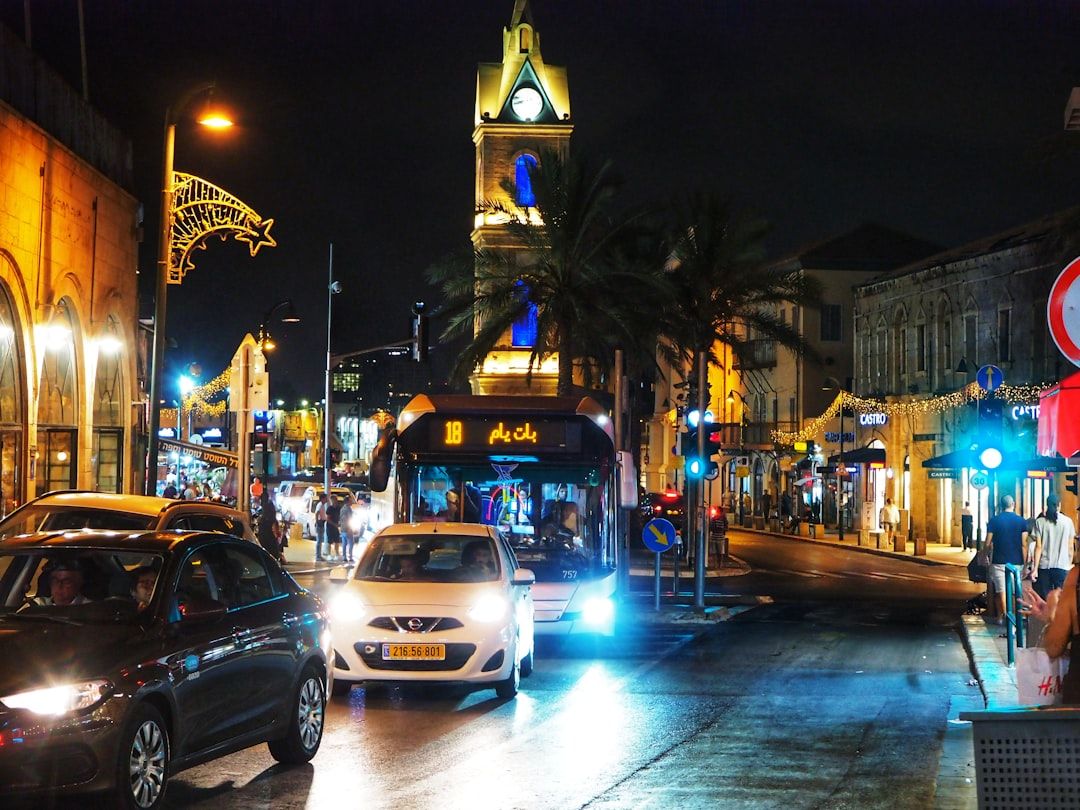
The effect differs by city. Tel Aviv keeps many restaurants and bars open and some shared taxis (sherut) run. Jerusalem is considerably quieter, and in religious neighbourhoods driving is not welcome at all.
Practical planning:
Arrange Friday and Saturday movement in advance — a rental car, a sherut, or simply staying put.
Shop for food on Friday morning.
Do not plan a Saturday airport transfer by public transport.
It is also worth experiencing rather than merely working around — Friday evening in Jerusalem, when the city goes quiet, is genuinely striking.
The two cities
Thirty-five minutes apart and completely different.
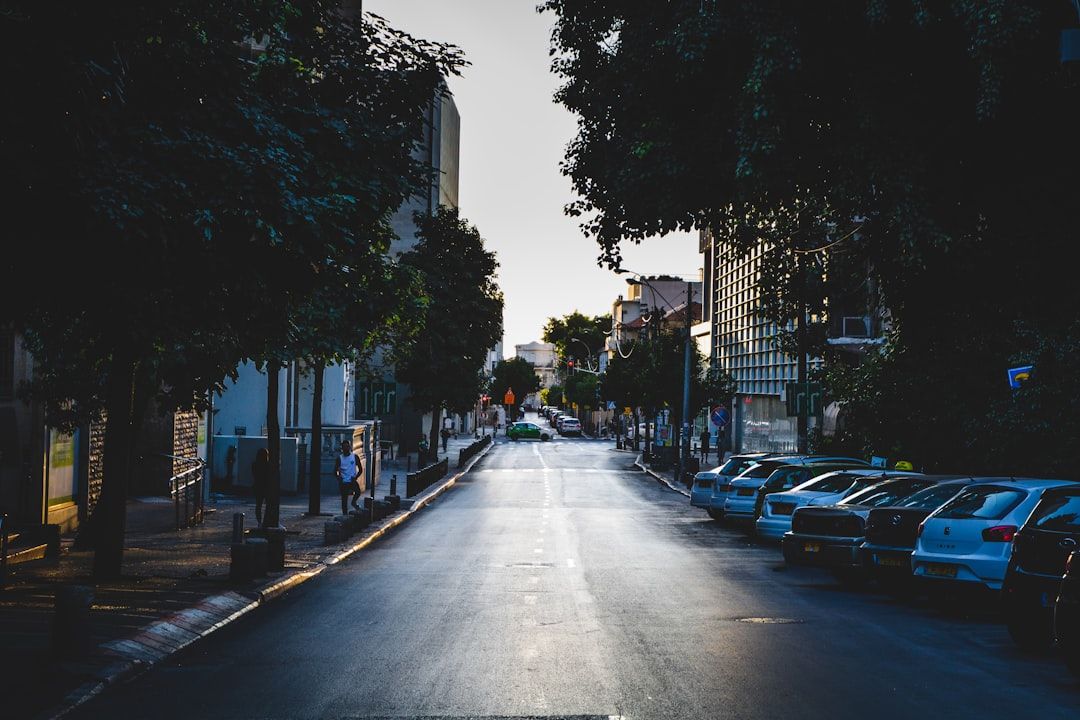
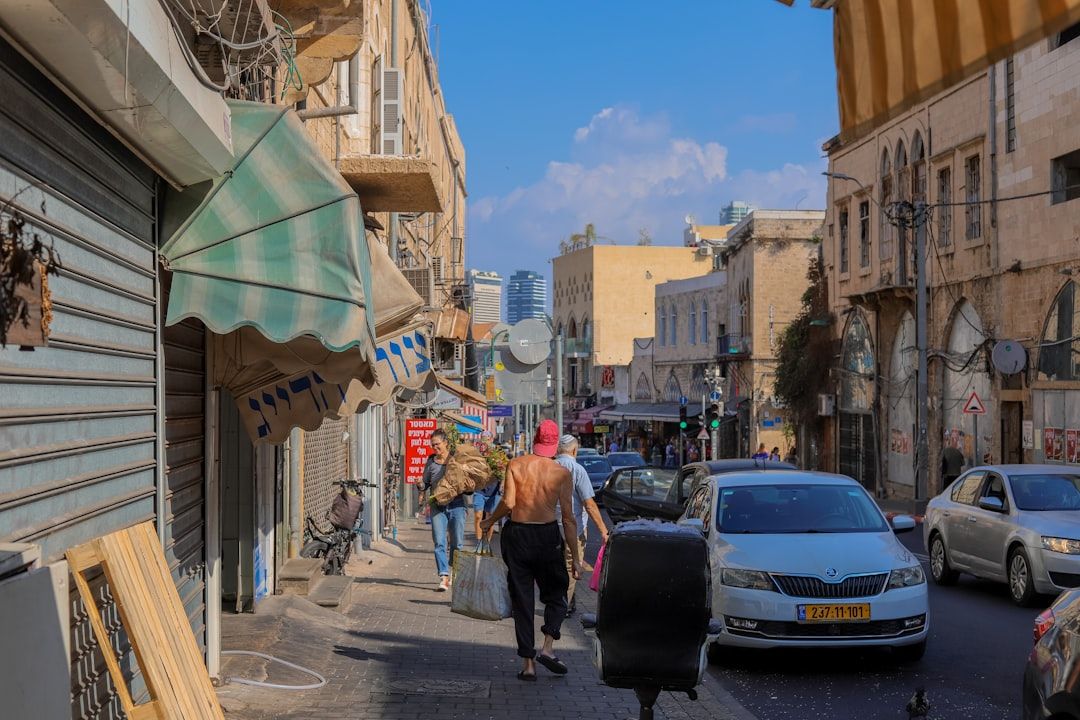
Tel Aviv — Mediterranean, secular, beach-facing, with Bauhaus architecture in the White City, a serious food scene, and Jaffa's old port at the southern end.
Jerusalem — ancient, contested, and religiously significant to three faiths within one square kilometre of walled Old City.
Either works as a base given the train. Many visitors split their nights, which is the better approach because the evenings are so different.
The Old City, where a guide helps
Four quarters — Christian, Jewish, Muslim, Armenian — within one square kilometre, with layers of significance that are not legible from the buildings.
A guide is genuinely useful here, both for the history and for navigating the practicalities.
Dress codes apply at religious sites: shoulders and knees covered, and head covering in some. This is enforced.
Access to the Temple Mount / Haram al-Sharif is restricted by time, by entry point, and by visitor status, and the arrangements change. Check current conditions locally rather than relying on any published schedule.
The Church of the Holy Sepulchre, the Western Wall and the Via Dolorosa are the other principal sites.
The Dead Sea and Masada
Usually done together, roughly 90 minutes from Jerusalem.
Masada is best at sunrise, either walking the Snake Path from the east or taking the cable car. The Roman siege ramp and the story of the site are what make it.
The Dead Sea — the water is intensely saline, so do not shave beforehand and keep it out of your eyes. The shore has receded considerably over recent decades and access points have moved; the developed beaches at Ein Bokek are the practical option.
Doable independently by bus, and commonly done as a tour because the timing is awkward.
Practical
Security procedures at the airport are thorough and take time. Arrive three hours before an international departure.
Check current advice. Regional conditions can change quickly and affect access to specific areas. Consult your government's current travel guidance close to departure rather than planning on older information.
Rav-Kav card for buses and trains where they run.
Climate: hot and dry May to September, mild and occasionally wet November to March. Jerusalem is noticeably cooler than Tel Aviv, being higher.