
The default France itinerary flies to Paris and radiates outward by TGV. For anything not centred on Paris, that is usually the slowest and most expensive shape available.
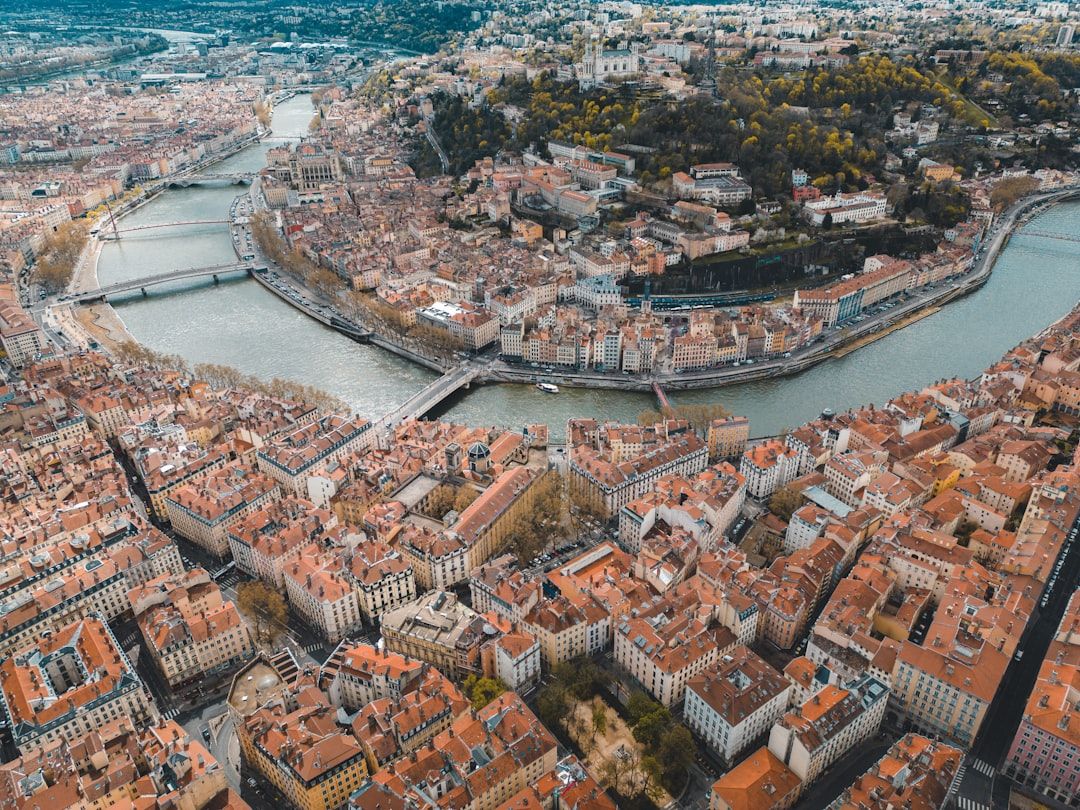
Fly to where you are going
The Paris-first plan costs: a flight to CDG, the RER into the city, crossing Paris between stations, a TGV, and arrival. Call it six hours and an extra €70.
France has genuine regional airports with real city connections:
| Airport | Serves |
|---|---|
| Lyon | Alps, Auvergne, Rhône valley, Beaujolais |
| Marseille / Nice | Provence, Riviera, Camargue |
| Bordeaux | Dordogne, Atlantic coast, wine country |
| Toulouse | Occitanie, Pyrenees, Cathar country |
| Nantes | Brittany, Loire, Atlantic |
Fares to regional airports are frequently lower to begin with, and you arrive in the region rather than four hours from it.
The TGV booking window
French high-speed fares are dynamic and climb steadily.
| Route | Booked 6+ weeks | Walk-up |
|---|---|---|
| Paris → Lyon | €25–45 | €90–130 |
| Paris → Marseille | €35–60 | €110–160 |
| Paris → Bordeaux | €30–55 | €95–140 |
Three to eight weeks is the window. Ouigo, the low-cost high-speed service, is cheaper still with stricter baggage rules — check the departure station, since some Ouigo trains leave from peripheral stations like Marne-la-Vallée rather than central Paris.
TER regional trains are flat-fare, need no reservation, and are frequently overlooked for short and medium hops.
How much fits in a week
Two regions, comfortably. France is large and the regions are genuinely distinct — Provence and Brittany have less in common than two different countries elsewhere.
Pairings that work:
Lyon and the Auvergne — food capital plus volcanic landscape, and the Auvergne costs half what Provence does.
Bordeaux and the Dordogne — wine, then castles and prehistoric caves.
Nice and inland Provence — coast plus hill villages.
Nantes and southern Brittany — city plus coast.
What does not work in a week: Paris plus Provence plus the Loire plus Normandy, which is a train timetable rather than a holiday.
Where a car is necessary
The Dordogne, the Auvergne, Provence's hill villages, Brittany's coast, the Loire châteaux and the Jura.
Rural bus services are sparse and drop further outside school terms. Rent locally from a regional city rather than driving out of Paris — it is cheaper and avoids the capital's low-emission zone.
Tolls run €8–10 per 100 km on the autoroute, ticket-based. Use lanes with a card symbol and avoid the orange 't' télépéage lanes.
Crit'Air stickers are required in low-emission zones; French rentals normally carry one, but confirm at pickup.
Two things that close
Sunday and Monday closures outside cities are near-universal — many shops shut Sunday and rural restaurants close Sunday evening and Monday.
Mid-August, when rural France takes its own holiday and small businesses close for two to three weeks at exactly the time visitor numbers peak.
May, June and September avoid both and have better weather for walking.