
Go Tour🇪🇺 Vienna
Booking Tours in Europe: Direct, Aggregator or On Arrival
The same tour is frequently sold at three different prices, and the cheapest channel is usually the one nobody checks first.
Go Tour Editorial
August 16, 2026The same tour is frequently sold at three different prices, and the cheapest channel is usually the one nobody checks first.

Athens has one combined ticket that covers most of what you came for, and knowing it exists changes how you plan the days.
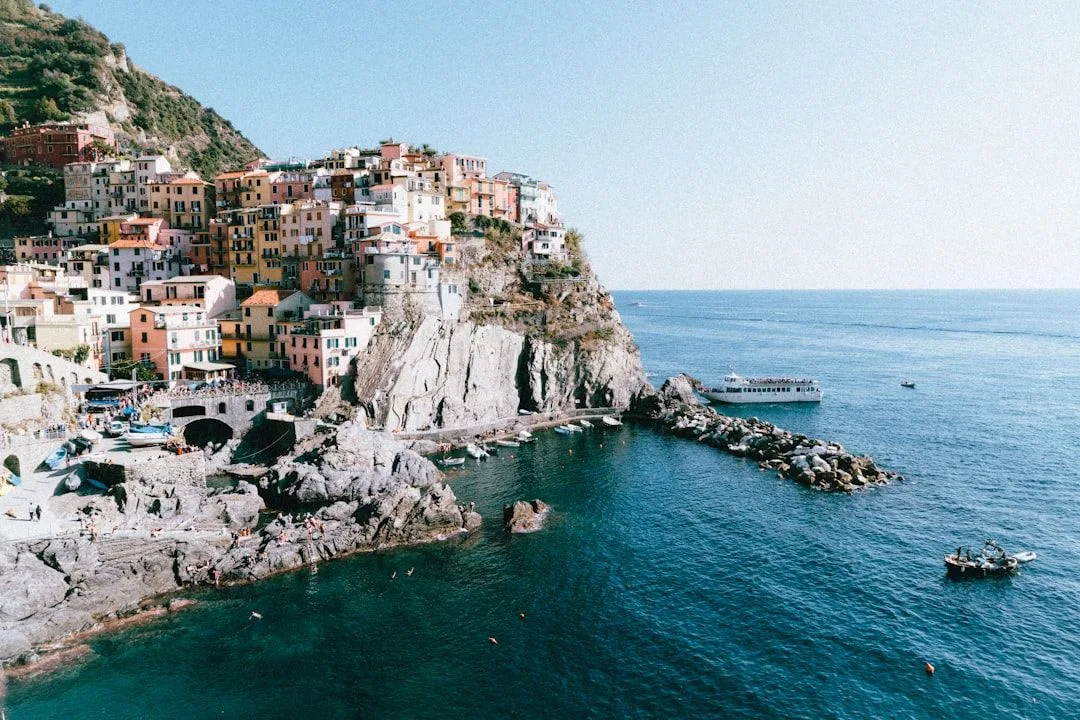
Israel's transport stops for Shabbat and the two cities are an hour apart, which shapes any itinerary more than any booking decision.
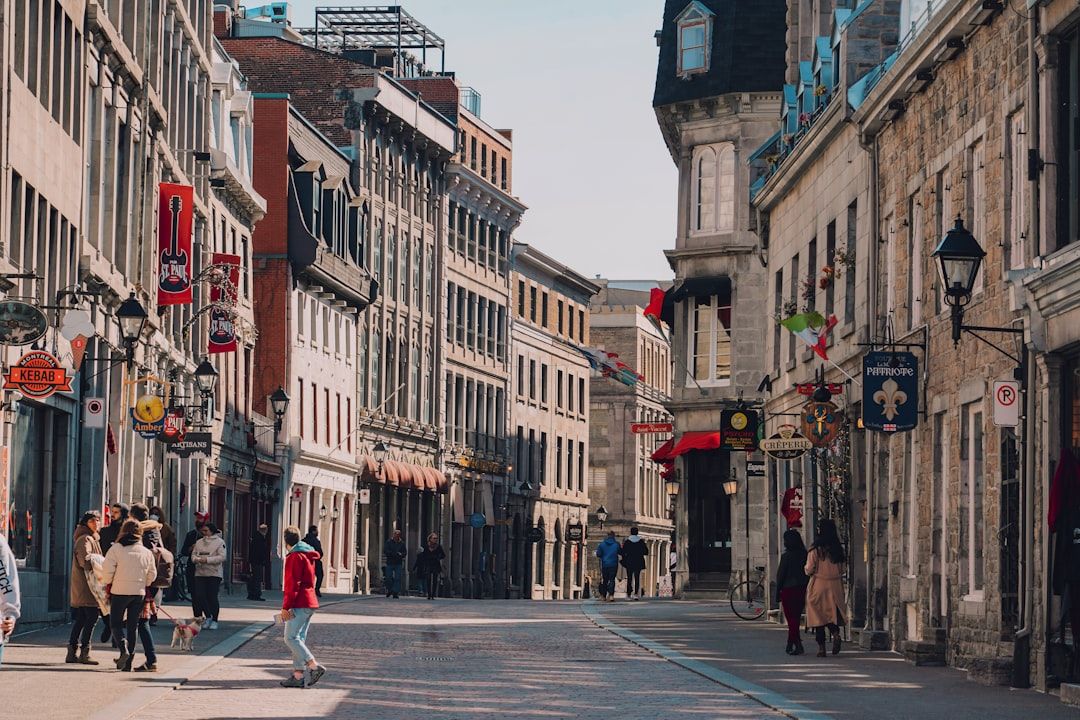
Montreal has two entirely different versions of itself depending on the month, and planning without accounting for that is the main mistake.
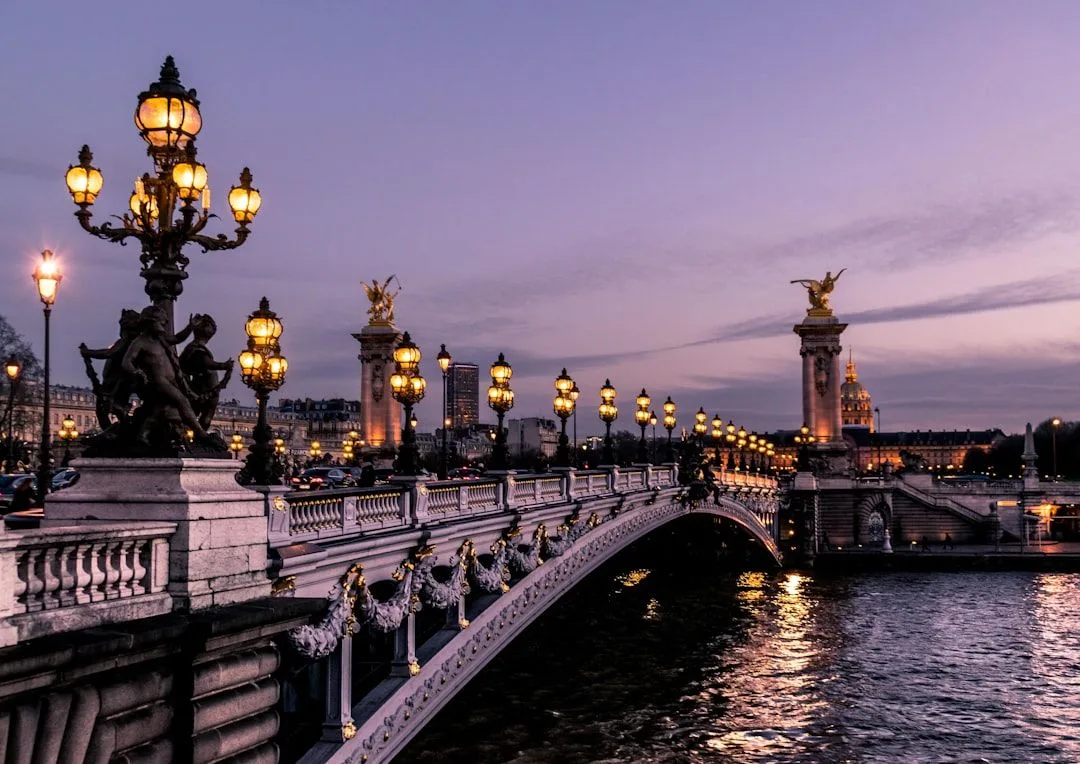
Most France itineraries route everything through Paris, which is frequently the slowest and most expensive way to reach where you are going.

A private guide in Bangkok costs less than a group tour in Europe, which changes the calculation about when to hire one.

Cape Town's attractions are spread across a peninsula, which makes the transport question more important than the guiding one.

Two Buenos Aires experiences genuinely require arrangement, and both are ones where turning up alone is a bad idea for different reasons.

Toronto's two headline attractions are a tower and a waterfall two hours away, and the second is where the booking decisions matter.

Singapore is small enough that almost everything is twenty minutes away on the MRT, which makes most organised touring redundant.
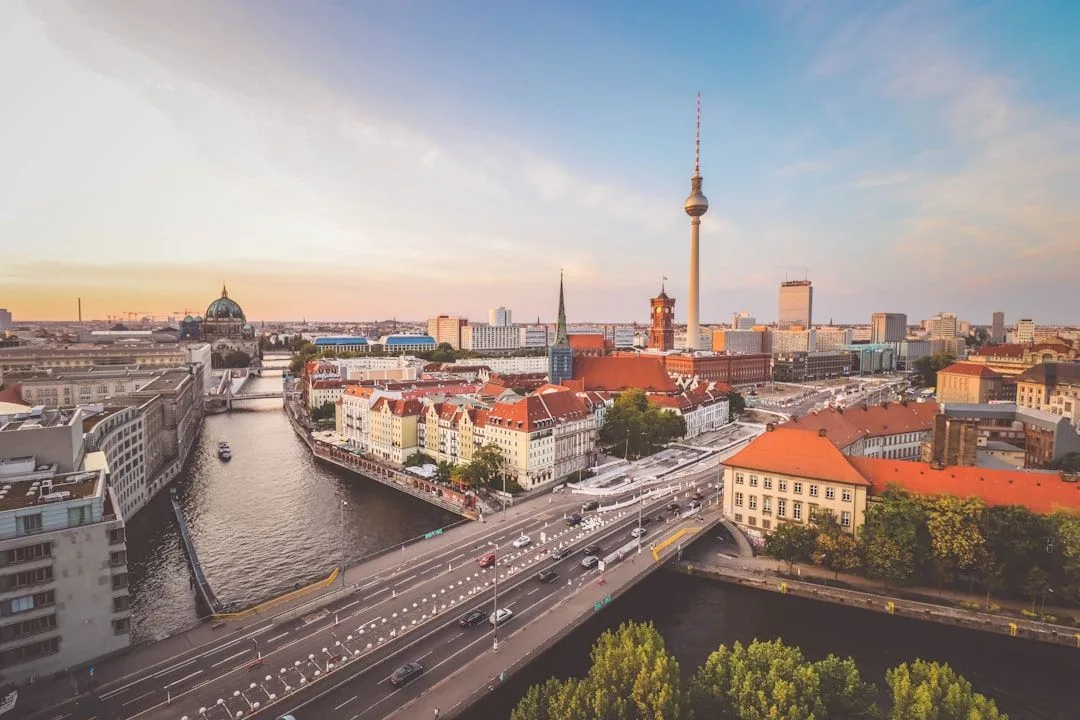
One Seoul day trip requires your passport and advance registration, and it is the one most visitors want to do.

Berlin's most significant history is largely absent from the streetscape, which makes it one of the few cities where a guide genuinely changes what you see.